There is something sitting on your to-do list that you know needs doing, but for some reason you cannot quite bring yourself to start. It might be an email you need to answer, a phone call you have been putting off or a household job that would probably take less time than you have already spent thinking about it. Instead of getting on with it, you decide to make a coffee first, check your phone for a few minutes or watch a film. It doesn’t seem like a big deal. In fact, it can actually feel satisfying.
That is partly because procrastination gives us something we genuinely want in the moment: RELIEF!
When we are faced with a task that feels boring, difficult or uncomfortable, avoiding it removes that unpleasant feeling almost immediately. The task hasn’t disappeared but we no longer have to deal with it right now. For a few minutes, we can concentrate on something easier and more enjoyable. There is a sense that we have given ourselves permission to relax, even though somewhere in the back of our minds we know there is something we should be doing.
This is what makes procrastination so easy to do and repeat. We are not choosing to be lazy, we are choosing the option that makes us feel better right now. If answering an awkward email makes you anxious but scrolling through your phone makes you feel relaxed, your brain is naturally going to be tempted by the easier option. The immediate reward is obvious, while the consequences of putting the task off seem distant enough that they don’t feel particularly important.
The trouble is that the task is still waiting for us when the temporary relief wears off.
In fact, the longer we put something off, the more space it can start to occupy in our minds. A job that might originally have taken twenty minutes can become something we have been worrying about for several days or even weeks. We might start thinking about it while we’re having dinner, watching television or trying to fall asleep. The unfinished task has not necessarily become any more difficult, but our feelings about it have changed. Now there is guilt attached to it, along with the uncomfortable knowledge that we have already spent several opportunities avoiding it.
This is where procrastination becomes particularly frustrating. We often put something off because we want to reduce our stress, only to end up carrying that stress around with us for much longer. It doesn’t really make much sense.
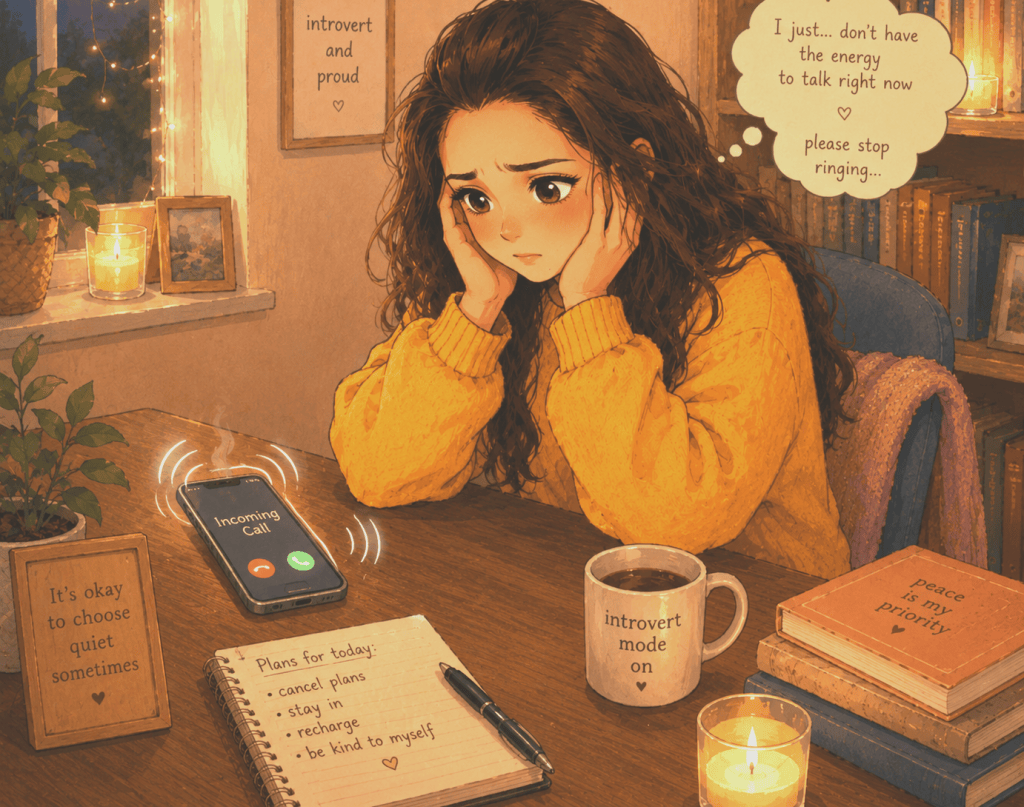
There is also an odd middle ground where we are neither doing the task nor properly relaxing. You might sit down to watch your favourite programme, but instead of enjoying it, you find yourself thinking, I really should be doing that thing. You pick up your phone to distract yourself, then feel guilty because you are wasting even more time. Eventually, you may reach the point where you have spent an entire evening avoiding a task while simultaneously worrying about it. You had a break but it doesn’t really feel like it.
There is an important difference between procrastinating and genuinely needing to rest. We are not designed to spend every waking hour being productive, and there is nothing wrong with deciding that something can wait because you are tired and need some downtime. The difference is often how you feel while you are resting. If you deliberately decide to watch a film because you have had a long day and want to enjoy it, that is relaxation. If you spend the entire film thinking about the thing you should be doing and feeling guilty for not doing it, you probably haven’t given yourself much of a break at all.
This is why simply telling ourselves to “stop procrastinating” isn’t particularly useful. We already know we are procrastinating because we can’t stop thinking about it. The difficult part is getting past the uncomfortable feeling that appears when we think about starting.
One way of making that easier is to stop thinking about the entire task and concentrate only on the beginning. Instead of telling yourself that you need to clean the whole house, you could decide to tidy one room. Rather than thinking about writing an entire email, open the email and start the reply.
Once you begin, the task often feels considerably less intimidating than it did beforehand. There is something about an unfinished task existing only in your imagination that can make it seem much bigger than it really is. Starting turns it from something vague and threatening into something concrete that can actually be dealt with.
The most frustrating thing about procrastination is quite often, the relief we were looking for was waiting on the other side of the task all along.
There is a satisfaction in finally doing something that you have been putting off. The email is sent, the phone call is made, the paperwork is finished and the thing that has been occupying a corner of your mind suddenly isn’t there anymore. You can sit down afterwards and enjoy your free time without that nagging feeling or guilt that you should be doing something else.
We probably aren’t going to stop procrastinating altogether. There will always be boring jobs and tasks that we would rather leave until tomorrow. The next time you find yourself repeatedly putting something off because it feels better to deal with it later, it might be worth asking yourself what kind of relief you are actually getting.
Sometimes procrastination gives us ten minutes of comfort and several hours or days of background stress. Doing the unpleasant thing now may not be more enjoyable, but it can be considerably more peaceful once it is finally out of the way.
Written by Siân Alison


Leave a Reply