There are times when the last thing I want is company, this isn’t because I’m unhappy, angry with anyone or secretly wishing I had no friends. Sometimes I simply want to be alone, I want to close the door, put my phone down, watch something I enjoy or sit quietly without having to talk to anyone. That isn’t loneliness, it’s solitude and there is an important difference between the two.
We often seem to treat being alone and being lonely as though they are the same or a bad thing. When someone says they feel lonely, we understand that they are missing connection and probably want somebody to reach out to them. When someone says they would rather spend the evening alone, people are much more suspicious of it or don’t understand. We wonder whether they are withdrawing, missing out or perhaps not doing very well. There is nothing wrong at all, they just need a little bit of alone time.
The strange guilt of wanting to be alone
There can be guilt attached to admitting that you don’t want to socialise. Declining an invitation can sometimes feel as though you need to provide a convincing explanation or justify your need to be alone, particularly when the real reason is simply that you would rather stay home and recharge your batteries.
There is an expectation that we should make the effort, answer the messages and maintain an active social life. It’s true that friendships and relationships require effort, and spending time with other people can be one of the most rewarding parts of life. I find that constantly being available to other people can also be exhausting, especially when what you really need is some time in which nobody needs anything from you. I am an introvert and have social anxiety so I need this alone time more often than others but taking time out is healthy for anyone.
For some people, an evening alone isn’t an indication that something is missing from their lives but it’s the thing that allows them to feel like themselves again. People need to understand, being alone isn’t the same as rejecting people or punishing them.
One of the most difficult things about wanting solitude and quiet time is that other people can sometimes interpret it personally. If I don’t want to talk, it doesn’t necessarily mean that I don’t want to talk to you. If I would rather spend an evening at home, it doesn’t mean that I don’t enjoy spending time with other people. Even declining an invitation doesn’t necessarily say anything about how much I value the person who invited me.
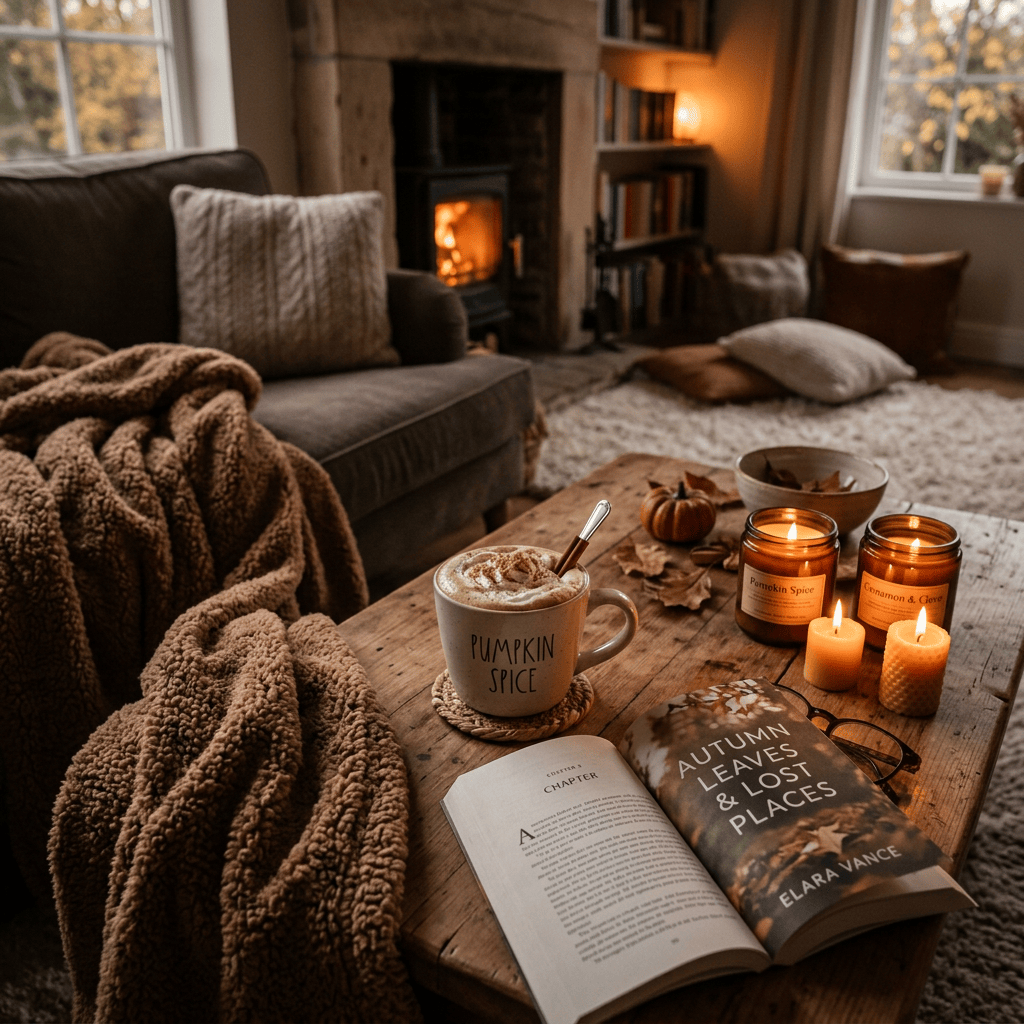
There is freedom in being completely responsible for your own evening. You can eat when you’re hungry, watch whatever you want or decide that you don’t want to do anything at all. Nobody is waiting for you to answer, nobody is wondering what you are doing and you can just be yourself which is surprisingly restorative.
One of the greatest pleasures of solitude is the temporary relief of being perceived or judged by other people. Even when we’re spending time with people we love, there is a certain amount of mental energy involved in being around others. We listen, respond, react, think about what we’re saying and pay attention to the mood of the person we’re with. Most of the time we do this without consciously thinking about it, but it still takes energy.
When you’re alone, that awareness disappears. You don’t have to be entertaining or cheerful, you can spend an evening doing whatever you want. That is why solitude is so different from loneliness. Loneliness can make us painfully aware of our disconnection from other people, whereas chosen solitude can give us a welcome break from thinking about other people altogether.
We are rarely completely alone anymore
There is also something really appealing about solitude at a time when it has become increasingly difficult to achieve. Even when we’re physically alone, our phones keep us connected to everyone else. Messages arrive, notifications appear and social media gives us an endless stream of other people’s conversations, opinions, experiences and lives. We can spend an entire evening sitting alone in our homes while simultaneously consuming hundreds of other people’s thoughts and feelings. I’m also an empath so I feel other people’s emotions and can read people really easily so sometimes switching off my phone is an act of self care, although this immediately makes friends and family think something is wrong.
Choosing to put that away for a while can therefore feel good, there is no need to know what everyone else is doing, keep up with the latest conversation or have an opinion about something that happened online. For a little while, you can simply exist in your own small corner of the world, that is sometimes exactly what you need.
There is a difference between needing people and needing time away from them
None of this means that people don’t need connection but here is a significant difference between choosing to spend some time alone and feeling isolated when you desperately want company. The two experiences can look quite similar from the outside, which may be why we sometimes confuse them. Someone sitting alone at home could be desperately lonely, or they could be having the best evening they’ve had all week. You cannot necessarily tell simply by looking at them.
The important question isn’t always “Are you alone?” but “Did you choose to be?”
For someone who genuinely enjoys solitude, being given an evening with no plans can feel less like missing out and more like being given something back: time, quiet and the freedom to do exactly what you want. I think solitude deserves a better reputation
We don’t need to romanticise isolation or pretend that loneliness isn’t painful. It can be incredibly difficult to feel disconnected from the people around you, and wanting meaningful relationships is a completely natural part of being human. A need for solitude doesn’t contradict any of that. We can love our friends/family and still need time away from them and occasionally want an evening in which we don’t have to speak to anyone at all.
The healthier way of looking at solitude is not as the opposite of connection, but as something that can exist alongside it. Knowing when we need other people is important, but so is recognising when we need some time with ourselves and there’s absolutely nothing wrong with that.
Written by Siân Alison
Loosely related to ‘Introvert Survival Guide’


Leave a Reply