Tables are no longer simply set, they are staged. Dining rooms are becoming forests, castles and curious wonderlands filled with flickering candles, vintage glassware, moss-covered centrepieces, florals and cakes that look as though they belong in the pages of an old fairy tale.
Welcome to the era of the storybook dinner party.
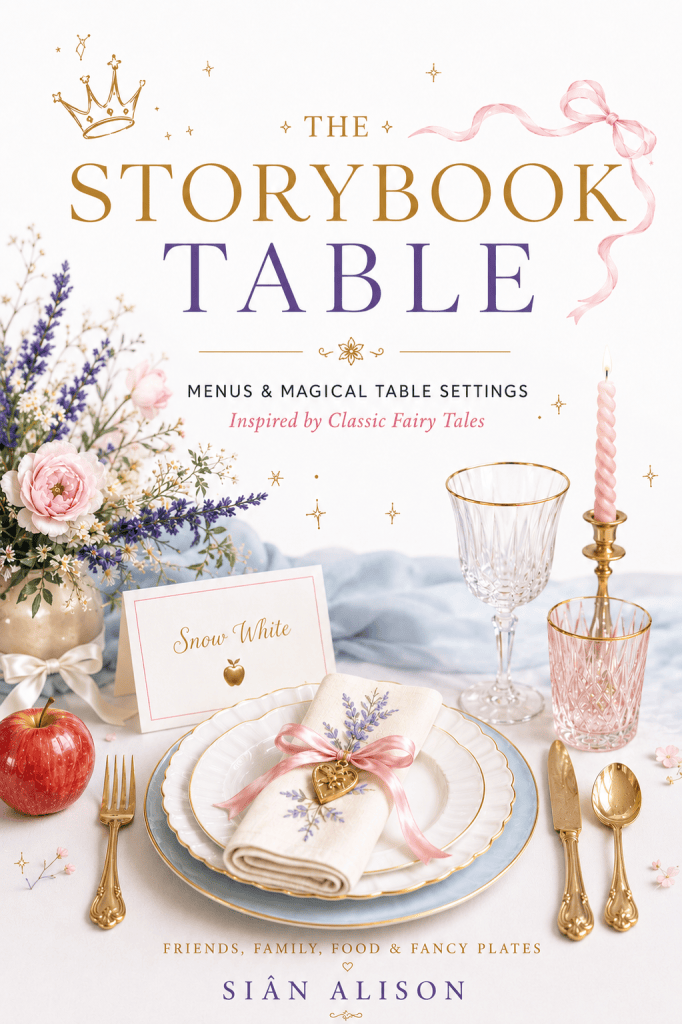
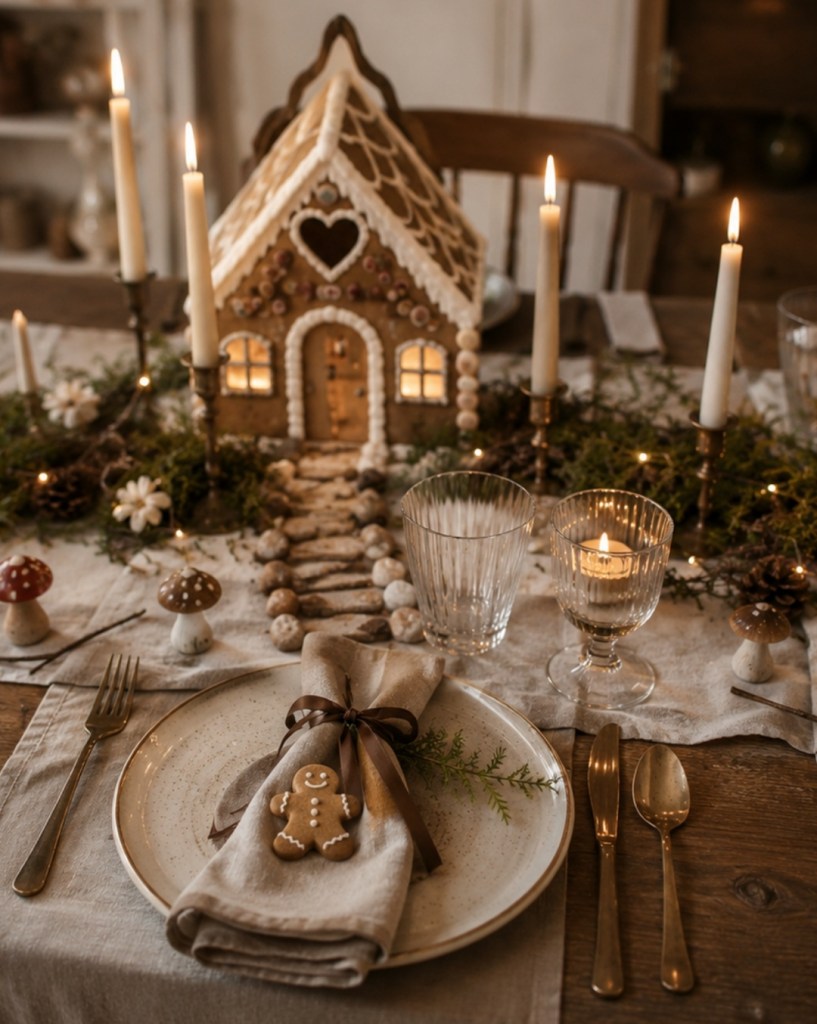
Across social media, millennials are transforming ordinary evenings at home into immersive experiences inspired by fairy tales, folklore and childhood nostalgia. One table may channel a dark woodland version of Snow White, complete with crimson apples and deep green velvet napkins. Another recreates the warm chaos of Hansel and Gretel with gingerbread centrepieces, sugared desserts and overflowing platters of sweets. Somewhere else, guests sip “potion cocktails” beneath hanging vines while tiny handwritten menus hint at a secret garden feast.
It is theatrical, whimsical and imaginative, it says a great deal about how millennials want to socialise now.
For years, adulthood was marketed as sleek minimalism. Neutral interiors, serious dinner parties and planned sophistication. Increasingly, people are rejecting the idea that growing up means abandoning playfulness and imagination. Instead, hosting has become a form of creative escapism; an opportunity to build atmosphere, tell stories and reconnect with the comforting magic of childhood.
The modern dinner party is no longer just about food. It is about creating a world and escaping for the evening.
Part of this shift comes from the rise of “staying in” culture. Nights out have become expensive due to rising costs, restaurants and bars can be crowded and often strangely impersonal. Restaurants may offer good food but they cannot always offer intimacy. At home, hosts can create something entirely their own, an evening shaped around nostalgia, comfort and unique.
Millennials have transformed hosting into a response to burnout. In an age dominated by notifications, endless scrolling and digital exhaustion, there is something deeply appealing about tactile, sensory experiences. Kneading bread dough, lighting taper candles, decorating cakes with sugared berries or decorating a dramatic table setting all feel slower and more intentional than staring at another screen.
The storybook table offers immersion in a way modern life rarely does.
It also reflects a broader cultural return to whimsy. Cottagecore aesthetics, fantasy-inspired interiors and nostalgic hobbies have all surged in popularity over recent years. Adults are rereading childhood books, collecting vintage china and embracing traditions once dismissed as childish. Fairy tales, in particular, carry a powerful emotional pull because they blend comfort with imagination. They remind people of a time when stories felt magical and ordinary objects like a forest, a cake, an apple could hold mystery. These fairy tales also tend to explore life lessons which as children we probably didn’t fully grasp the meaning.
Nostalgia has a way of reinventing itself. In many ways, millennials are curating their childhood memories through food. This explains why “playful dining” has become so appealing. Guests are no longer embarrassed by novelty desserts or themed courses; in fact, they actively seek them out. Hosting culture now celebrates creativity over perfection. A slightly crooked homemade cake often feels more authentic than an immaculate restaurant dessert. Potion-style cocktails, edible glitter and over-the-top centrepieces create conversation and shared memories in a way minimalist entertaining often cannot. The dinner table has become experimental.
Social media has undoubtedly accelerated the trend. Platforms like Pinterest and Instagram reward visual storytelling, and storybook tables are inherently cinematic. A dark forest-inspired decorated table lit by candlelight looks less like an ordinary meal and more like part of a film. Despite the online appeal, the trend is not entirely performative. Beneath the aesthetics lies a genuine desire for connection.
After years of digital communication, people are craving gatherings that feel immersive and personal. Storybook hosting creates atmosphere in a way that encourages guests to slow down and engage. Themes become conversation starters. Shared dishes feel collaborative and even the act of dressing for a themed evening introduces a sense of occasion often missing from modern socialising.
In a culture increasingly focused on productivity and hustle culture, themed hosting also offers permission to be creatively unproductive. Building a whimsical table does not necessarily achieve anything practical and that is precisely the point. Millennials are doing this simply because it is enjoyable.
There is also something distinctly hopeful about the trend. Fairy tales have always functioned as forms of escapism during uncertain times. Historically, stories of enchanted forests, magical feasts and strange adventures offered comfort during periods of hardship and instability. Modern life may look different, but the emotional impulse remains remarkably similar. People still long for spaces that feel warm, imaginative and removed from everyday anxieties. A storybook style dinner party provides exactly that.
This is why the trend resonates so strongly with millennials specifically. Many came of age during recessions, rising living costs and the relentless pressure of online culture. Traditional markers of adulthood in this generations often feel delayed or inaccessible. In response, many are redefining what adult life should actually look like. Rather than aspiring solely to polished sophistication, they are embracing homes filled with personality, creativity and nostalgia. The modern fairy tale dinner party is not really about pretending to be children again. It is about refusing the idea that adulthood must be stripped of wonder.
And maybe that is the true appeal, it transforms something ordinary like dinner with friends into something memorable. A meal becomes a scene, a table becomes a setting. The outside world softens for a few hours as candles flicker against crystal glassware, desserts arrive dusted in sugar and adulthood feels a little more enchanted than usual.
Once upon a time, fairy tales belonged to children, but now they belong at the dinner table.


Leave a Reply